


Alliance Gator Sealer Stripper for Concrete Pavers and Natural Stone
Alliance Gator Sealer Stripper for Concrete Pavers and Natural Stone - 1 Gallon is backordered and will ship as soon as it is back in stock.
Ships same day on weekday orders placed before the 14:00 ET cut-off.
Typically 1 to 5 business days by UPS, FedEx Ground or USPS. Enter your ZIP for your dates.
Request a pallet quoteHow much do I need?Call (856) 418-4895
- Brand
- Alliance
- Type
- Paver and Stone Cleaners
- Sizes
- 1 Gallon, 5 Gallon
About this item
- Removes water based and solvent based acrylic sealers, multiple layers in one application.
- Water based, zero VOC, pH neutral. No neutralization needed afterwards.
- Will not burn skin, per Alliance, and virtually no odor.
- Environmentally responsible.
- 2 year shelf life if the container is kept sealed, warm and dry.
Shipping, pick-up and returns
Shipping, pick-up and returns
Orders ship from Williamstown, New Jersey by UPS, FedEx Ground or USPS; weekday orders placed before 2 PM Eastern go out the same day. Warehouse pick-ups (call first so we can pull your order) and drop-off returns Monday to Friday 8 to 5, Saturday 8 to noon.

Alliance Gator Sealer Stripper for Concrete Pavers and Natural Stone

Alliance Gator Sealer Stripper for Concrete Pavers and Natural Stone - 1 Gallon is backordered and will ship as soon as it is back in stock.
How many bags do I need?
Coverage per bag comes from the manufacturer's data sheet for this exact sand.
 Ships Same DayFrom our NJ warehouse
 1 and 5 GallonWater based paste
 Zero VOC, pH NeutralMulti-layer in one pass
 Real Humans(856) 418-4895
Why Gator Sealer Stripper?
Strips Failed Sealer Without Burning Your Skin
Stripping a sealer used to mean aggressive solvents, respirators and a neutralization step. This is a paste you trowel on, cover with plastic, leave overnight and vacuum off, and it takes both water and solvent based acrylics.
Full description and specs
Removes water based and solvent based acrylic sealers
Multiple layers in one application.

Water based, zero VOC, pH neutral
No neutralization needed afterwards.

Will not burn skin
Per Alliance, and virtually no odor.

Environmentally responsible
How to Strip Sealer From Pavers
The short version. Always follow the Alliance data sheet.
-

Protect the site
Remove furniture, water the vegetation, build a barrier wall with stakes and fabric over a coarse sand bed, and cover structures with plastic.
-

Apply the paste
In marked 40 to 50 sq ft sections, no less than 1/8 in thick, using a brush or roller and a nylon brush to force it into intricate areas.
-

Cover every treated surface with plastic sheet
And leave it a minimum of 12 hours.
-

Remove and vacuum
Starting at the lowest point, peel the plastic back in 10 by 10 ft sections and shop-vac the dissolved coating.
-

Pressure wash
The vacuumed area, scrub any residue immediately with a nylon brush and clean water, then rinse thoroughly at low pressure.
-

Repeat
If a white sealer layer remains.
Apply at Above 50 F (10 C), below 90 F (32 C). Test a small area first.
Goes with this
The usual companions for this job, at the same price as on their own pages.
-
 This item: Alliance Gator Sealer Stripper for Concrete Pavers and Natural Stone1 Gallon$125.99
 -
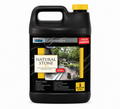 $84.99
-
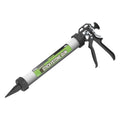 $84.99

Total for 1 items: $125.99
Same prices as buying them one at a time.
Description
Description
Strips Failed Sealer Without Burning Your Skin
A water based, pH neutral, zero VOC paste that dissolves multiple layers of water or solvent based acrylic sealer in a single application. No neutralization step, virtually no odor, and Alliance states it will not burn skin. 1 and 5 gallon.
|
Ships Same Day From our NJ warehouse |
1 and 5 Gallon Water based paste |
|
Zero VOC, pH Neutral Multi-layer in one pass |
Real Humans (856) 418-4895 |
Why Contractors Ask for Gator Sealer Stripper by Name
Stripping a sealer used to mean aggressive solvents, respirators and a neutralization step. This is a paste you trowel on, cover with plastic, leave overnight and vacuum off, and it takes both water and solvent based acrylics.
- Removes water based and solvent based acrylic sealers, multiple layers in one application.
- Water based, zero VOC, pH neutral. No neutralization needed afterwards.
- Will not burn skin, per Alliance, and virtually no odor.
- Environmentally responsible.
- 2 year shelf life if the container is kept sealed, warm and dry.
Gator Sealer Stripper Specifications
| Type | Water based paste, ready to use |
| Coverage | 40 to 50 sq ft per gallon |
| Reaction time | Minimum 12 hours. Best practice 3 to 24 hours |
| Application thickness | No less than 1/8 in (3 mm) |
| Temperature range | Above 50 F (10 C), below 90 F (32 C) |
| VOC | Zero |
| pH | Neutral, no neutralization required |
| Surfaces | Concrete pavers and stones |
| Shelf life | 2 years sealed, warm and dry |
40 to 50 sq ft per gallon, and it varies with how textured and porous the surface is. Stripping is slow, messy work, call (856) 418-4895 before you order and we will talk through whether stripping is really the answer.
Where Gator Sealer Stripper Works
Alliance rates the Sealer Stripper for:
- Concrete pavers and stone with failed or peeling sealer
- Removing an unknown coating before applying a new sealer
- Surfaces where a water based sealer was mistakenly applied over solvent
Where Gator Sealer Stripper Should NOT Be Used (Straight From the Manufacturer)
The surface must be clean and dry before you start.
Use above 50 F and below 90 F. Always test the surface for suitability and reaction time first.
You must cover treated areas with plastic sheet or the sealer re-adheres as the paste dries.
Protect everything around it. Wet down and barrier off all vegetation, protect the pool perimeter with a coarse sand bed, cover standing structures with plastic and exterior painters tape.
Contain the runoff with sand berms and vacuum it up at the lowest point. Dispose of dissolved coatings per federal, state and local regulations.
Oil-resistant boots should be worn throughout.
Not sure if your project qualifies? Call us at (856) 418-4895 before you order. We will give you a straight answer, even if the answer is that this is not the right product for your job.
How to Strip Sealer From Pavers
The full step by step guide is in the official documentation below. Here is the shape of the job:
- Protect the site. Remove furniture, water the vegetation, build a barrier wall with stakes and fabric over a coarse sand bed, and cover structures with plastic.
- Apply the paste in marked 40 to 50 sq ft sections, no less than 1/8 in thick, using a brush or roller and a nylon brush to force it into intricate areas.
- Cover every treated surface with plastic sheet and leave it a minimum of 12 hours.
- Remove and vacuum. Starting at the lowest point, peel the plastic back in 10 by 10 ft sections and shop-vac the dissolved coating.
- Pressure wash the vacuumed area, scrub any residue immediately with a nylon brush and clean water, then rinse thoroughly at low pressure.
- Repeat if a white sealer layer remains.
If the product dries and hardens, apply a thin coat of fresh stripper over it, wait 30 minutes to an hour, and remove.
Do You Actually Need to Strip?
Stripping is the most expensive and most disruptive job in hardscape maintenance. It is worth being honest about whether it is required.
- Sealer is intact but dull, you do not need to strip. Use Gator Seal Resealer, which reactivates the existing film.
- Peeling, blushing white, or worn through in traffic lanes, strip. Nothing you apply over that will look right.
- Unknown coating, strip. Alliance requires unknown coatings to be removed before any of their sealers.
- A water based sealer was applied over solvent, strip. That combination is prohibited and it will fail.
Data sheets
Data sheets
The manufacturer's technical data sheet (coverage, joint width, cure and rain-safe times) and safety data sheet are collected in the TDS and SDS library. Every figure on this page comes from those sheets.
Payment & Security
Payment methods
Your payment information is processed securely. We do not store credit card details nor have access to your credit card information.
Questions about this product
Ask a question ›What sizes are available?
When will it ship?
Can I buy by the pallet?
Where are the technical and safety data sheets?
Is contractor or bulk pricing available?
How to clean pavers
Step by step, start to finish. Click to play.
