

SEK Surebond Paver Jointing Sand 50 lb Bag, Joints to 3/4 in
SEK Surebond Paver Jointing Sand 50 lb Bag, Joints to 3/4 in - Tan is backordered and will ship as soon as it is back in stock.
Ships same day on weekday orders placed before the 14:00 ET cut-off.
Typically 1 to 5 business days by UPS, FedEx Ground or USPS. Enter your ZIP for your dates.
Request a pallet quoteHow much do I need?Call (856) 418-4895
- Brand
- SEK SUREBOND
- Type
- Polymeric Sand
- Colors
- 3 options
About this item
- Completes the interlocking of segmental pavers. The structural reason joints get filled at all.
- Meets ASTM C-144 specifications. Correct gradation, not builders sand.
- Washed, screened and dried. Clean and consistent, and dry sand actually sweeps into a joint.
- For joints up to 3/4 in. Standard paver joint width.
Shipping, pick-up and returns
Shipping, pick-up and returns
Orders ship from Williamstown, New Jersey by UPS, FedEx Ground or USPS; weekday orders placed before 2 PM Eastern go out the same day. Warehouse pick-ups (call first so we can pull your order) and drop-off returns Monday to Friday 8 to 5, Saturday 8 to noon.

SEK Surebond Paver Jointing Sand 50 lb Bag, Joints to 3/4 in - Tan is backordered and will ship as soon as it is back in stock.
How many bags do I need?
Coverage per bag comes from the manufacturer's data sheet for this exact sand.
 Joint WidthUp to 3/4 in
 Ships same dayWeekday orders before 2 PM Eastern
 Real humans(856) 418-4895, any hour
 Pick up in NJWilliamstown, call ahead
Why SEK Surebond Paver Jointing Sand?
What Jointing Sand Is Actually For
Segmental pavement gets its strength from interlock, and interlock only happens when the joints are full. The sand transfers load from paver to paver so the field behaves as one surface rather than a collection of loose blocks.
Full description and specs
Joint width
Up to 3/4 in

Colors
Tan, Gray and Platinum

Standard
Meets ASTM C-144

Processing
Washed, screened and dried
Choose your color
3 colors. Swatches are from the SEK Surebond color chart.
Not sure which color?
Order color samples and check them against your own pavers in daylight before you buy the bags.
Order color samplesSwatches come from the manufacturer's color chart. Color and appearance may vary with lighting, paver color and installation conditions.
Goes with this
The usual companions for this job, at the same price as on their own pages.
-
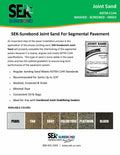 This item: SEK Surebond Paver Jointing Sand 50 lb Bag, Joints to 3/4 inTan$49.99
 -
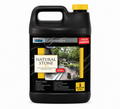 $84.99
-
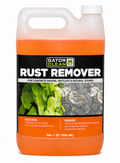 $39.99
Total for 1 items: $49.99
Same prices as buying them one at a time.
Description
Description
What Jointing Sand Is Actually For
Segmental pavement gets its strength from interlock, and interlock only happens when the joints are full. The sand transfers load from paver to paver so the field behaves as one surface rather than a collection of loose blocks. That structural job is separate from the weed and washout resistance a polymeric sand adds.
- Completes the interlocking of segmental pavers. The structural reason joints get filled at all.
- Meets ASTM C-144 specifications. Correct gradation, not builders sand.
- Washed, screened and dried. Clean and consistent, and dry sand actually sweeps into a joint.
- For joints up to 3/4 in. Standard paver joint width.
Jointing Sand Or Polymeric Sand?
Plain jointing sand costs roughly a third of polymeric sand and does the structural job perfectly. What it does not do is resist washout, weeds and ants, so it needs topping up over time. Choose it when the specification calls for sand, when you plan to stabilize the joint with a sealer afterward, or on a job where the joints will be maintained.
- Plain jointing sand. Structural interlock, lowest cost, needs maintenance.
- PolySweep polymeric sand. Hardens in place, resists washout, weeds and insects.
- PS1500. Ready to use and permeable, for joints that need to drain.
Paver Jointing Sand Specifications
| Product Type | Washed paver jointing sand |
| Manufacturer | SEK Surebond |
| Standard | Meets ASTM C-144 |
| Processing | Washed, screened and dried |
| Joint Width | Up to 3/4 in |
| Package | 50 lb bag |
| Pallet | 56 bags per pallet |
| Colors | Tan, Gray and Platinum |
| Polymer Content | None, this is plain jointing sand |
Data sheets
Data sheets
The manufacturer's technical data sheet (coverage, joint width, cure and rain-safe times) and safety data sheet are collected in the TDS and SDS library. Every figure on this page comes from those sheets.
Payment & Security
Payment methods
Your payment information is processed securely. We do not store credit card details nor have access to your credit card information.
Questions about this product
Ask a question ›How many bags do I need?
Which colors does it come in?
When will it ship?
Can I buy by the pallet?
Where are the technical and safety data sheets?
Is contractor or bulk pricing available?
See it in action
Short clips of each install step. Click to play.
